Westbound Panama Canal Cruise Guide
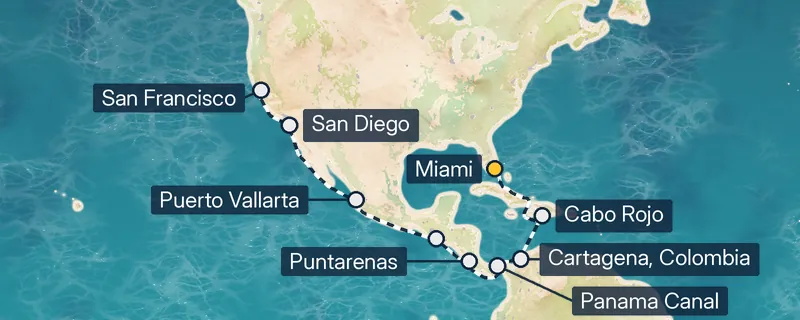
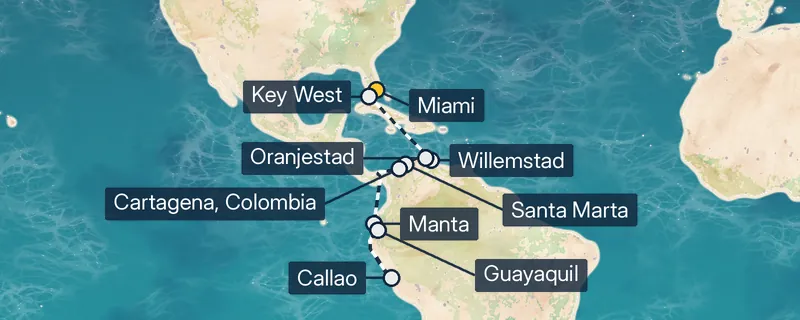
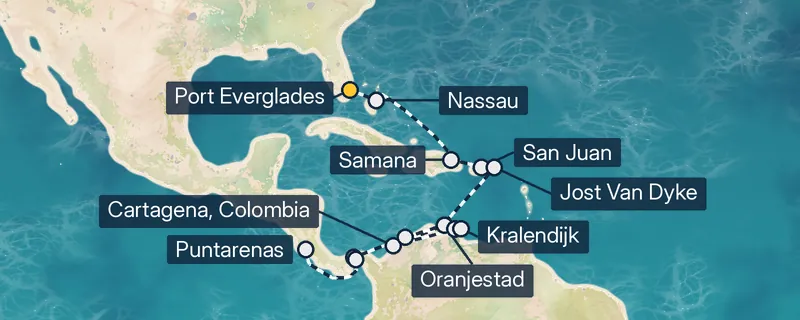
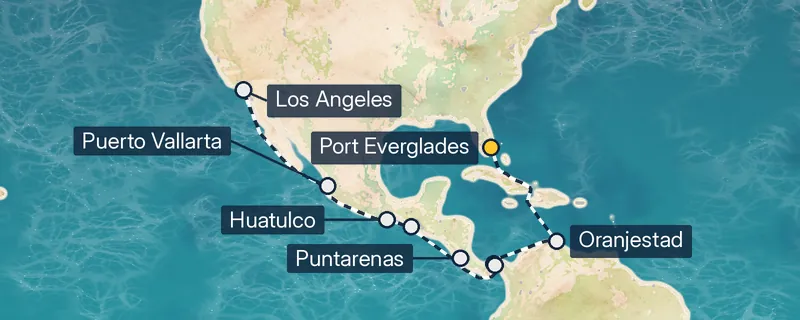
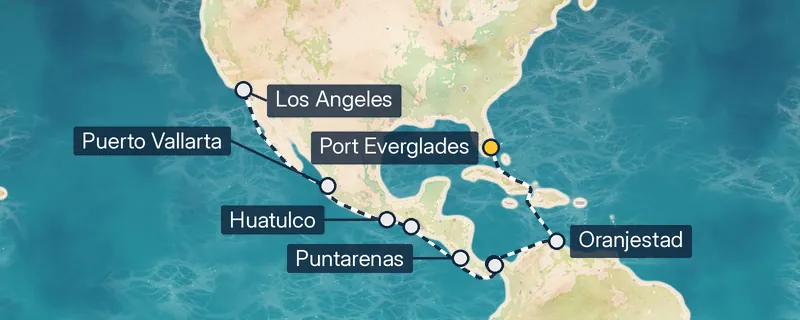
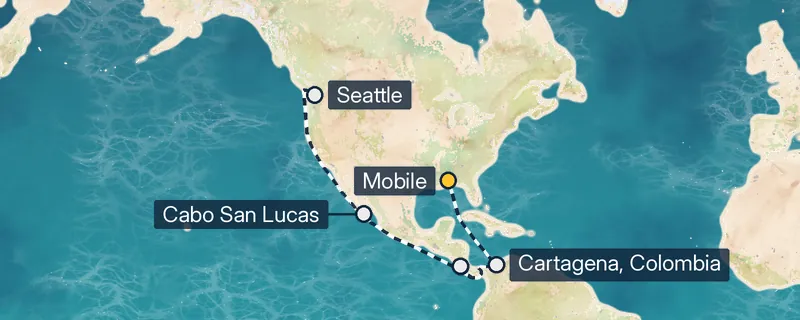
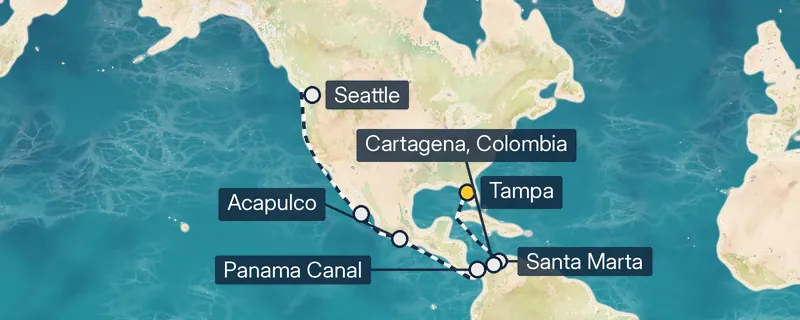
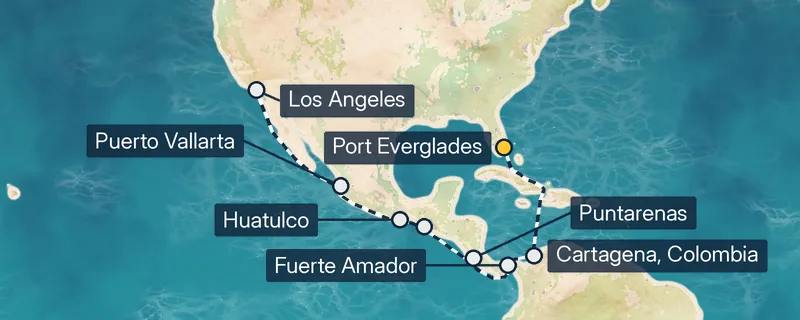
Embark on an extraordinary voyage through the engineering marvel that is the Panama Canal. Our Westbound Panama Canal cruises promise a thrilling adventure, taking you from the Atlantic to the Pacific Ocean. Sail through lush rainforests, marvel at the Gatun Locks, and explore historic cities like Cartagena, Colombia, or Puerto Vallarta, Mexico. As you traverse the locks and channels of the Panama Canal, you'll witness this incredible feat of human ingenuity while enjoying the comfort and luxury of our cruise ships. It's a journey filled with wonder, history, and the natural beauty of Central America. Join us on a Westbound Panama Canal cruise and be part of this unforgettable experience.
Key Westbound Panama Canal Cruise Information
Popular Ports
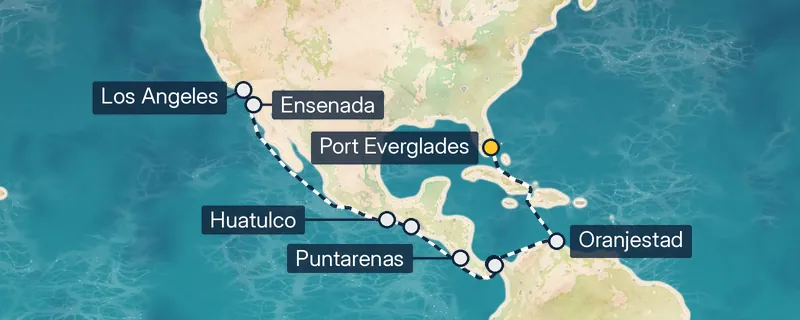
Westbound Panama Canal itineraries feature a compelling mix of cultural and natural wonders, anchored by two consistently popular ports: Cartagena, Colombia, and Puntarenas, Costa Rica. Cartagena is a highlight for its remarkably preserved colonial history. Passengers can step off the ship and into a UNESCO World Heritage site, exploring the vibrant, bougainvillea-draped streets of the Walled City, visiting the formidable Castillo San Felipe de Barajas, or shopping for emeralds and handicrafts. Puntarenas serves as a gateway to Costa Rica's legendary biodiversity. From here, travelers can embark on excursions into dense rainforests to spot monkeys, sloths, and scarlet macaws, cruise the Tarcoles River to see enormous crocodiles, or tour a local coffee plantation to learn about the country's famous beans. These two ports provide a perfect contrast between rich urban history and breathtaking natural beauty.
Beyond the mainstays, some itineraries include less-visited ports that offer unique experiences. Grand Turk, in the Turks and Caicos, is often an early stop on cruises originating in the Caribbean, providing a classic beach day with pristine white sands and excellent snorkeling opportunities before the journey toward the canal. On longer voyages that may originate further south, Coquimbo, Chile, offers a distinct South American flavor. It is the gateway to the Elqui Valley, a region famous for producing the grape brandy Pisco and home to some of the world's clearest skies, making it a hub for astronomical observatories. These unique ports add significant value, appealing to travelers looking for off-the-beaten-path destinations and a more comprehensive exploration of the Americas.
Last updated on June 20, 2025
Ships & Cruise Lines
Cruising the Westbound Panama Canal offers a diverse choice of vessels, from intimate, smaller ships to amenity-rich mega-ships. The size of the ship is a key consideration, as it determines which set of locks it can use—the historic Panamax locks or the larger Neopanamax locks. Smaller ships, such as Azamara's Quest, offer a more boutique experience and can sometimes navigate to smaller, less-common ports. In contrast, larger vessels like the Carnival Miracle or Celebrity Summit provide a vast array of dining venues, entertainment options, and onboard activities, which is a major advantage on these longer voyages that average 20 nights and include multiple sea days. These larger ships cater to a wide range of tastes, ensuring that time spent at sea is as engaging as time spent in port.
Certain ship features are particularly well-suited for a Panama Canal transit. The day-long passage through the canal is a highlight of the trip, and ships with ample outdoor viewing spaces, such as wraparound promenade decks and forward-facing observation lounges, provide the best vantage points. Holland America Line is renowned for this, often featuring destination experts onboard who provide live commentary on the history, engineering, and operation of the canal as the ship passes through the locks. Cunard's elegant Queen Anne offers a classic, luxurious transit experience. Ultimately, the best ships for this journey are those that not only provide comfort for the long haul but also actively enhance the main event—the unforgettable experience of transiting one of the world's greatest engineering marvels.
Last updated on June 20, 2025
Best Time to Cruise
The prime season for a Westbound Panama Canal cruise runs through the region's dry season, typically from December through April. This period offers the most favorable weather, with abundant sunshine, lower humidity, and minimal rainfall, making it ideal for enjoying the ship's decks and participating in shore excursions. The dry conditions are especially beneficial in the tropical climates of Colombia and Costa Rica, allowing for comfortable exploration of rainforests and historic cities without the interruption of frequent downpours common in other months.
Within this season, timing can affect crowds and cost. December and January are considered peak times due to the holidays, resulting in higher fares and more crowded ships. For a balance of excellent weather and better value, consider traveling in February or March. These months offer the driest, most pleasant conditions with fewer travelers than the holiday peak. April marks the end of the season and the beginning of the transition to the wet season; while temperatures and humidity begin to climb, it can be an excellent time to find last-minute deals. Regardless of the month you choose, wildlife viewing can be a highlight, with opportunities for whale watching on the Pacific side of Central America.
When packing, prepare for warm, tropical weather. Lightweight clothing, including shorts, t-shirts, and sundresses, is essential. A light rain jacket or poncho is still wise, especially for rainforest excursions where microclimates can produce unexpected showers. Sun protection is critical; pack a wide-brimmed hat, sunglasses, and high-SPF sunscreen. Comfortable walking shoes are a must for exploring ports with cobblestone streets or uneven jungle trails. Finally, don't forget binoculars to get a closer look at wildlife and the intricate workings of the canal locks from your ship's deck.
Last updated on June 20, 2025
Who Should Go
Westbound Panama Canal cruises primarily appeal to seasoned, mature travelers, including retirees and history and engineering enthusiasts. With an average length of 20 nights, these voyages require a significant time commitment that is often more feasible for those with flexible schedules. The journey itself is the main attraction for many, who are fascinated by the opportunity to witness the century-old marvel of the Panama Canal firsthand. The itinerary, which often includes culturally rich ports like Cartagena, Colombia, and nature-focused stops like Puntarenas, Costa Rica, caters to travelers with a passion for learning and exploration. The pace is generally relaxed, with a good balance of enriching port days and leisurely sea days, making it ideal for those who appreciate educational lectures, fine dining, and classic cruise comfort. With a median price of around $124 per person per day, it represents excellent value for an extended, in-depth travel experience.
This type of cruise is perfect for travelers who prioritize destinations and experiences over high-octane onboard thrills. The activity level can be tailored, from gentle walking tours in colonial cities to more strenuous hikes in Costa Rican national parks. However, travelers with significant mobility limitations should research specific shore excursions carefully, as ports like Cartagena feature cobblestone streets and some nature tours involve uneven terrain. These cruises are generally not a top choice for families with young children due to the long duration and the focus on cultural and historical themes. Travelers seeking a short, fast-paced, party-centric getaway would likely prefer a different type of itinerary, such as a shorter Caribbean cruise.
Last updated on June 20, 2025
Best Westbound Panama Canal Cruise Deals






Last Minute Westbound Panama Canal Cruises