
Half Moon Cay, Bahamas Cruise Port Guide
Welcome to Half Moon Cay, an idyllic paradise consistently voted as one of the best private island destinations in the Caribbean. Frequently visited by Holland America Line and Carnival Cruise Line, this pristine sanctuary offers an unforgettable sun-soaked getaway. Cruise passengers fall in love with its two-mile stretch of powdery white sand, translucent turquoise waters, and untouched natural scenery.
In This Guide
- Key Half Moon Cay Port Information
- • Top Attractions & Excursions
- • Nearby Cities & Attractions
- • Port Location
- • Local Currency
- • Safety Considerations
- • Weather & Climate
- • Getting Around
- • Shopping
- Local SIM Card
- Visiting Half Moon Cay Cruise Deals
- Upcoming Cruises to Half Moon Cay Cruise Deals
- Ships in Port Schedule
- Other Cruise Ports in Bahamas
- Monthly Pricing
Key Half Moon Cay Port Information
Top Attractions & Excursions
The crown jewel of the island is Half Moon Beach, a breathtaking crescent of fine white sand where visitors can relax in leased cabanas or beach loungers. Water enthusiasts can head to Stingray Cove for an interactive adventure to swim alongside gentle stingrays in their natural habitat.
For refreshment, Captain Morgan's On the Rocks Island Bar offers iconic tropical cocktails inside a striking multi-deck pirate ship structure overlooking the ocean. Nature lovers can also visit Pegasus Ranch to enjoy a memorable horseback ride along the shore and into the ocean surf.
Last updated on October 23, 2026
Nearby Cities & Attractions
Because Half Moon Cay is a secluded private island, off-island day trips are not typically offered; however, it sits geographically between neighboring Bahamian islands. To the north lies Eleuthera, famous for its pink sand beaches and pineapple plantations, located approximately 15 miles away across the water.
To the south lies Cat Island, known for its rich history and Mount Alvernia, located roughly 25 miles away. While cruise guests remain on Half Moon Cay during their call, these surrounding cays define the tranquil region of the outer Bahamas.
Last updated on October 23, 2026
Port Location
Half Moon Cay does not have a deep-water pier, so cruise ships anchor off the coast and transport guests to the island's marina via large tender boats. The tender ride typically takes about 10 to 15 minutes each way.
Once ashore at the Welcome Center, all major island facilities, including dining pavilions, beach bars, restrooms, and beach areas, are within short walking distance. Accessible tram services are also available to assist guests in getting around the main resort areas.
Last updated on October 23, 2026
Local Currency
The official currency of the Bahamas is the Bahamian Dollar (BSD), which is pegged 1:1 with the US Dollar (USD), and US cash is universally accepted on the island. For most purchases on Half Moon Cay, including drinks, shore excursions, and equipment rentals, guests simply use their cruise ship onboard charge card.
Small cash amounts in USD are recommended if you plan to shop at the local Bahamian straw market stalls or tip island staff. There are no ATMs or currency exchange desks located on the island.
Last updated on October 23, 2026
Safety Considerations
Half Moon Cay is an exceptionally safe environment for cruise passengers because it is a private, controlled island destination monitored by cruise line personnel. Security staff and trained lifeguards are stationed throughout the active beach areas to ensure guest safety.
Standard precautions include staying hydrated, applying reef-safe sunscreen, and adhering to designated swimming zones. Independent exploration along marked nature trails is safe and encouraged for guests looking to explore the island on foot.
Last updated on October 23, 2026
Weather & Climate
Half Moon Cay enjoys a tropical climate with warm, pleasant weather year-round. Average daily high temperatures range from 75°F (24°C) in the winter months to around 88°F (31°C) during the peak of summer.
The rainy season coincides with the Atlantic hurricane season from June through November, bringing occasional brief afternoon showers. Cruise passengers should pack lightweight beachwear, water shoes, a hat, sun protection, and a light rain jacket if visiting during late summer.
Last updated on October 23, 2026
Getting Around
Transportation on the island is minimal and straightforward, as most areas are easily navigable on foot via paved pathways and boardwalks. Complimentary tractor-pulled shuttles and open-air trams run continuously between the marina tender pier, the main dining pavilion, and the beach areas.
For organized exploration, guests can book a Half Moon Cay Horseback Riding Tour or take a Guided Island Bike Tour to explore the island's interior lagoon and coastal trails.
Last updated on October 23, 2026
Shopping
Shopping on Half Moon Cay centers around the local Straw Market, where Bahamian artisans sell handcrafted woven goods, wood carvings, jewelry, and souvenirs. Cash in US Dollars is required for purchases at the Straw Market stalls, and prices are generally fixed although friendly bargaining is welcomed.
There is also an official cruise line logo shop where guests can purchase sun care products, beach apparel, and island-branded merchandise using their cruise ship account card.
Last updated on October 23, 2026
Local SIM Card
GigSky eSIMs let you get data both on the ship and while in port. Their Cruise + Americas & Caribbean plan and Cruise + World plan both cover Half Moon Cay as well as supported cruise ships. Choose the data allowance and duration that suit your trip, with a 7-day Cruise + Americas & Caribbean plan starting at only $19.99 USD for 1 GB.
Visiting Half Moon Cay Cruise Deals
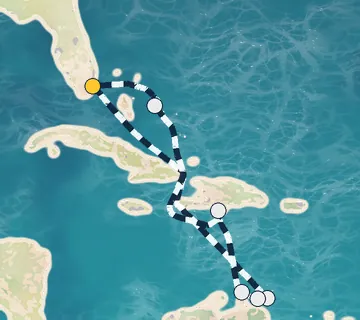

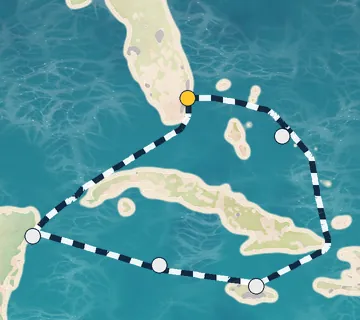
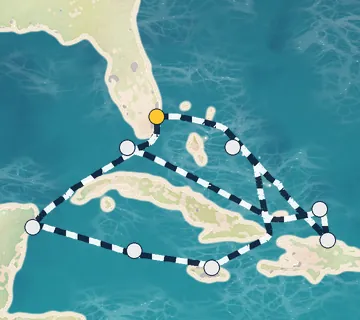
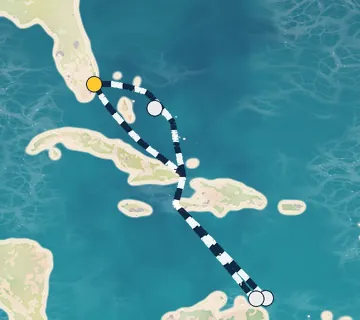
Upcoming Cruises to Half Moon Cay Cruise Deals

Ships in Port Schedule













Showing 61 ships in the area
No ships scheduled in port today.
Other Cruise Ports in Bahamas
Monthly Pricing - Cruises visiting Half Moon Cay
On average cruises visiting Half Moon Cay are extremely affordable compared to other itineraries. Cruises visiting Half Moon Cay during the peak months of winter, spring, and summer are considerably more expensive than the the low season of fall. Look at the chart below for the average cost per day by month.

