
Sakata, Japan Cruise Port Guide
Located along the scenic Sea of Japan coast in Yamagata Prefecture, Sakata is a historic port town renowned for its rich merchant heritage, delicious local sake, and stunning views of Mount Chokai.
Popular cruise lines such as Princess Cruises, Holland America Line, and Silversea Cruises frequently include this charming destination on their East Asian itineraries.
Passengers are drawn to its authentic cultural experiences, preserved Edo-period architecture, and warm local hospitality away from the bustling megacities.
In This Guide
- Key Sakata Port Information
- • Top Attractions & Excursions
- • Nearby Cities & Attractions
- • Port Location
- • Local Currency
- • Safety Considerations
- • Weather & Climate
- • Getting Around
- • Shopping
- Visiting Sakata Cruise Deals
- Upcoming Cruises to Sakata Cruise Deals
- Ships in Port Schedule
- Other Cruise Ports in Japan
- Monthly Pricing
Key Sakata Port Information
Top Attractions & Excursions
A visit to the Sankyo Warehouse complex is essential, where picturesque 19th-century rice storehouses lined with keyaki trees now house museums and local craft shops.
Culture enthusiasts can visit Somaro, a beautifully restored historic tea house where guests can enjoy traditional dance performances by local maiko.
Another prominent attraction is the Honma Family Residence, an elegant Edo-period estate that showcases the grand architecture of one of Japan's historic merchant dynasties, located just 15 minutes from the port area.
Last updated on October 10, 2026
Nearby Cities & Attractions
The neighboring city of Tsuruoka lies approximately 30 minutes south by car or train, offering access to the legendary Kamo Aquarium, famous for its extensive collection of jellyfish.
Spiritual travelers often venture to Mount Haguro, one of the sacred Dewa Sanzan mountains, located about a 50-minute drive from the port.
At Mount Haguro, visitors can walk through ancient cedar forests to marvel at an iconic five-story wooden pagoda that dates back centuries.
Last updated on October 10, 2026
Port Location
Cruise ships typically dock at the Takase Wharf area of Sakata Port, located roughly four kilometers from the central city district.
Because the industrial dock area is not suited for walking into town, complimentary or paid shuttle buses are almost always arranged to transport passengers directly to the central station or city center in about 10 to 15 minutes.
Ships berth alongside the pier rather than tendering, and local welcome committees frequently set up temporary information desks and cultural performances right at the berth.
Last updated on October 10, 2026
Local Currency
The official currency used is the Japanese Yen (JPY).
Foreign currencies like US dollars or Euros are not accepted in local stores, restaurants, or taxis.
While major department stores and larger tourist venues accept international credit cards, cash remains essential for small shops, temple entry fees, and local markets.
Passengers can withdraw Yen using international debit or credit cards at ATMs inside 7-Eleven convenience stores or Japan Post offices throughout the town.
Last updated on October 10, 2026
Safety Considerations
Sakata is extremely safe for cruise passengers, boasting exceptionally low crime rates typical of rural Japan.
Visitors can comfortably explore the town independently on foot or by public transit without concern for petty crime or scams.
Standard travel safety precautions apply, such as keeping personal belongings secure and watching for vehicular traffic when crossing streets.
Last updated on October 10, 2026
Weather & Climate
Sakata experiences a temperate coastal climate with distinct seasonal variations during the main cruise season from April through October.
Spring and autumn bring pleasant, mild weather with temperatures averaging between 12°C and 22°C (54°F to 72°F), ideal for comfortable sightseeing.
Summers in July and August can be warm and humid, with temperatures reaching 30°C (86°F), so light clothing, rain protection, and comfortable walking shoes are recommended.
Last updated on October 10, 2026
Getting Around
Most visitors rely on cruise port shuttles or local taxis waiting at the pier to reach central attractions.
Once in the city center, local bus routes connect major sights, and rental bicycles are available near the main train station for an active Sakata city bike tour.
Train travelers can take advantage of the regional railway line at the main station to travel further along the coastal region or toward neighboring towns.
Last updated on October 10, 2026
Shopping
Shopping centers around regional culinary treats, including premium local rice, artisan sake, and fresh seafood at the local port market.
Visitors can purchase traditional crafts such as wooden lacquerware, embroidery, and cedar crafts at shops within the Sankyo Warehouse complex.
Prices in Japan are fixed and non-negotiable, and duty-free shopping options are generally limited to major tax-free retail chains or specialized souvenir centers.
Last updated on October 10, 2026
Visiting Sakata Cruise Deals

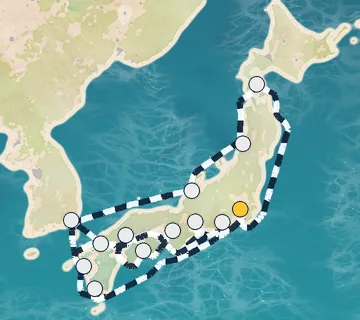
Upcoming Cruises to Sakata Cruise Deals
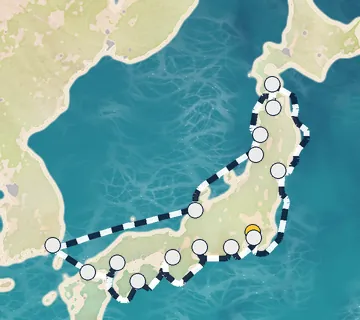

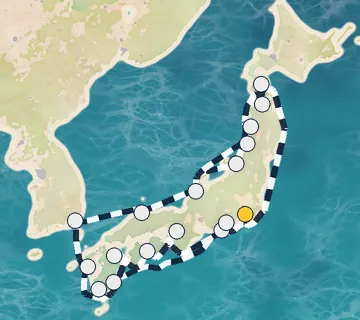
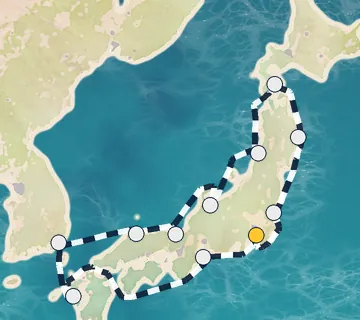
Ships in Port Schedule



Showing 3 ships in the area
No ships scheduled in port today.
Other Cruise Ports in Japan
Monthly Pricing - Cruises visiting Sakata
On average cruises that visit Sakata are moderately expensive compared to other itineraries. Look at the illustration below for the average cost per day by month. Sailings visiting Sakata during the peak seasons of winter and fall are considerably more expensive than the the low season of summer.

