
Boca do Valeria, Brazil Cruise Port Guide
Welcome to Boca do Valeria, a serene and remote indigenous river village nestled deep within the Brazilian Amazon basin.
Frequently visited by expedition and luxury lines such as Holland America Line, Princess Cruises, Oceania Cruises, and Seabourn, this unique destination offers cruise passengers an unfiltered glimpse into traditional riverfront life.
Travelers flock here for genuine cultural exchanges, friendly encounters with local villagers, and the breathtaking natural beauty of the surrounding rainforest.
In This Guide
- Key Boca do Valeria Port Information
- • Top Attractions & Excursions
- • Nearby Cities & Attractions
- • Port Location
- • Local Currency
- • Safety Considerations
- • Weather & Climate
- • Getting Around
- • Shopping
- Visiting Boca do Valeria Cruise Deals
- Upcoming Cruises to Boca do Valeria Cruise Deals
- Ships in Port Schedule
- Other Cruise Ports in Brazil
- Monthly Pricing
Key Boca do Valeria Port Information
Top Attractions & Excursions
The heart of the experience is walking through the village itself to visit the Boca do Valeria Village School, where cruise visitors often bring small educational supplies for local children.
Wildlife encounters are a major highlight along the pathways, where villagers gently introduce guests to local animals such as sloths, toucans, and baby caimans.
For a scenic exploration, taking a boat excursion along the tranquil Valeria River allows travelers to observe lush flora and native bird species up close.
Last updated on October 19, 2026
Nearby Cities & Attractions
Due to its isolated rainforest location, nearby towns are accessible almost exclusively by river vessel.
The island city of Parintins, famous for its annual Boi Bumb!a festival, lies roughly 2 to 3 hours downriver by boat.
Further east along the Amazon River sits Santar!em, located approximately 80 miles away, which serves as a gateway to the famous meeting of the waters and Tapaj!os River beaches.
Last updated on October 19, 2026
Port Location
Cruise ships cannot dock directly, so they anchor offshore in the deep waters of the Amazon River.
Passengers are transported to shore via ship tenders, landing at a small wooden jetty or directly onto the natural dirt riverbank.
There is no traditional city center or cruise terminal; the small village stretches directly out from the tender landing point, making everything easily walkable within minutes.
Last updated on October 19, 2026
Local Currency
The official currency of Brazil is the Brazilian Real (BRL), but US Dollars in small denominations ($1 $5 and $10 bills) are widely accepted and often preferred by local villagers.
There are no ATMs, banks, or currency exchange facilities anywhere in or around the village.
Credit cards are not accepted by local artisans, so passengers must carry small bills in cash to purchase souvenirs or offer tips.
Last updated on October 19, 2026
Safety Considerations
Boca do Valeria is exceptionally safe for visitors, featuring a welcoming community with virtually no crime.
Primary safety considerations are environmental, so watch your step on muddy, uneven paths and stay hydrated in the extreme heat.
Guided ship tours are unnecessary for exploring the village proper, though taking watercraft into narrower tributaries should only be done with reliable local guides.
Last updated on October 19, 2026
Weather & Climate
The weather in this Amazonian region is consistently warm, humid, and tropical year-round, with daytime temperatures averaging between 85 0F and 92 0F (29 0C to 33 0C).
Rain showers and sudden downpours are common during the cruise season, which coincides with the high-water wet season.
Passengers should pack lightweight, breathable clothing, sturdy walking shoes, a waterproof jacket, insect repellent, and high-SPF sunscreen.
Last updated on October 19, 2026
Getting Around
There are no cars, taxis, buses, or paved roads in the village, making foot travel the primary way to get around.
Local villagers frequently offer private wooden canoe rides and small motorized boat tours to explore the surrounding channels for a modest fee.
All major walking paths lead directly from the tender dock, eliminating any need for motorized ground transit.
Last updated on October 19, 2026
Shopping
Shopping in Boca do Valeria is an informal, authentic experience taking place along dirt paths and outside village homes.
Local artisans sell handmade crafts including seed jewelry, carved wooden animals, woven baskets, and traditional Amazonian trinkets.
Bargaining is generally light and friendly, and small US dollar bills are the ideal payment method as there are no duty-free shops or commercial stores.
Last updated on October 19, 2026
Visiting Boca do Valeria Cruise Deals
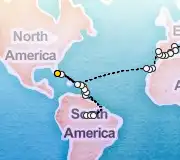

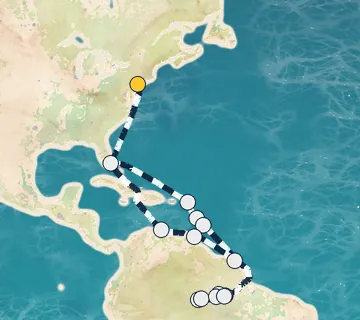

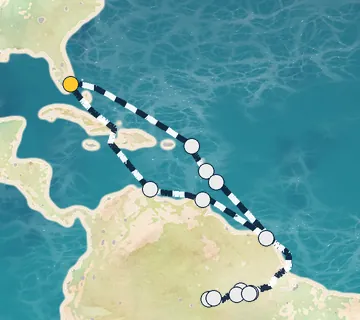
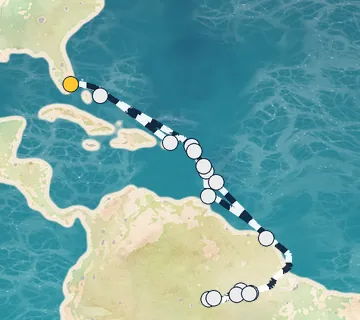
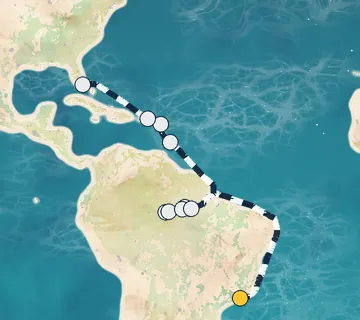
Upcoming Cruises to Boca do Valeria Cruise Deals
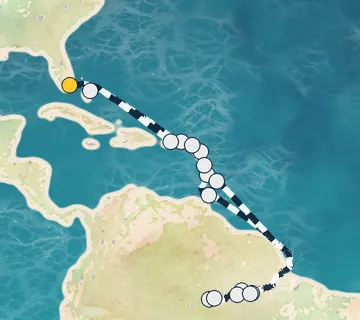
Ships in Port Schedule


No ships scheduled in port today.
Other Cruise Ports in Brazil
Monthly Pricing - Cruises visiting Boca do Valeria
Overall cruises that visit Boca do Valeria are rather expensive compared to other itineraries. Prices are about steady throughout the year. The illustration below shows the monthly average cost per day for cruises visiting Boca do Valeria.

