
Hiroshima, Japan Cruise Port Guide
Welcome to Hiroshima, a resilient and vibrant city world-renowned for its poignant history, stunning natural beauty, and message of universal peace.
Major cruise lines such as Princess Cruises, Celebrity Cruises, and Holland America Line frequently dock here, offering travelers a deeply moving stop on East Asian itineraries.
From historic landmarks to scenic islands, cruise passengers are treated to an unforgettable blending of profound heritage, exceptional local culinary traditions, and warm Japanese hospitality.
In This Guide
- Key Hiroshima Port Information
- • Top Attractions & Excursions
- • Nearby Cities & Attractions
- • Port Location
- • Local Currency
- • Safety Considerations
- • Weather & Climate
- • Getting Around
- • Shopping
- Shore Excursions & Tours
- Visiting Hiroshima Cruise Deals
- Upcoming Cruises to Hiroshima Cruise Deals
- Ships in Port Schedule
- Other Cruise Ports in Japan
- Monthly Pricing
Key Hiroshima Port Information
Top Attractions & Excursions
A visit to the Hiroshima Peace Memorial Park and the accompanying Hiroshima Peace Memorial Museum is essential, located roughly 25 to 30 minutes from the pier by taxi or shuttle.
Another famous attraction is Miyajima Island (Itsukushima), home to the iconic floating red torii gate of Itsukushima Shrine (Itsukushima Jinja), reachable via a short drive and a scenic 10-minute ferry ride.
Visitors can also explore Hiroshima Castle, a reconstructed 16th-century fortress situated in a tranquil park in the city center.
Last updated on October 25, 2026
Nearby Cities & Attractions
Just a short distance east of the city lies Iwakuni, famous for the historic wooden Kintai-kyo Bridge, which is about a 45-minute drive or train ride from the port area.
The picturesque coastal town of Onomichi, known for its hillside temples and sweeping views of the inland sea, is accessible within an hour via express train.
Cruisers looking for relaxation can also venture to Saijo, Hiroshima's renowned sake-brewing district, located roughly 40 minutes away by train.
Last updated on October 25, 2026
Port Location
Most large cruise ships dock at the Itsukaichi Pier, located approximately 12 kilometers (7.5 miles) west of downtown Hiroshima.
Shuttle buses arranged by cruise lines or local operators typically take passengers directly into the city center in about 20 to 30 minutes.
While the immediate terminal area has basic facilities, tourist information desks, and temporary souvenir stalls, most major dining and shopping options are found in the downtown district.
Last updated on October 25, 2026
Local Currency
The local currency is the Japanese Yen (JPY); US dollars and Euros are generally not accepted for everyday transactions.
Credit cards are widely accepted at major hotels, department stores, and large restaurants, though cash is still preferred at small shops, street food stalls, and public transport kiosks.
ATMs in 7-Eleven and Lawson convenience stores accept international credit and debit cards for easy cash withdrawals.
Last updated on October 25, 2026
Safety Considerations
Hiroshima is an exceptionally safe city with extremely low crime rates, making it very comfortable for cruise passengers to explore independently.
Standard travel precautions apply, such as keeping an eye on personal belongings in busy tourist crowds or on public transit.
English signage is prevalent throughout public transportation and major tourist spots, making navigation straightforward for foreign visitors.
Last updated on October 25, 2026
Weather & Climate
Hiroshima enjoys a temperate climate, with the primary cruise season running from spring through autumn.
Spring (April to May) and autumn (October to November) bring comfortable temperatures ranging from 15°C to 22°C (59°F to 72°F) and pleasant weather ideal for sightseeing.
Summers can be hot and humid with temperatures exceeding 30°C (86°F), while early summer brings the rainy season, so packing lightweight layers and an umbrella or rain jacket is recommended.
Last updated on October 25, 2026
Getting Around
Hiroshima features an excellent transit network led by the Hiroden Streetcar System, an affordable and efficient tram network connecting major sights across the city.
To reach Miyajima Island (Itsukushima), passengers can take the JR Sanyo Line train to Miyajimaguchi Station followed by the official JR Miyajima Ferry.
Taxis are readily available at the port terminal, though taking a shuttle to a central station and using public transit or an organized shore excursion is often the most cost-effective approach.
Last updated on October 25, 2026
Shopping
The Hondori Shopping Arcade is a bustling covered pedestrian street in downtown Hiroshima packed with boutiques, department stores, and souvenir shops.
Popular souvenirs include momiji manju (maple-leaf-shaped cakes filled with sweet bean paste), Kumano makeup brushes, and local Hiroshima-style okonomiyaki kits.
Bargaining is not customary in Japan as prices are fixed, but many larger retailers offer tax-free shopping for international tourists presenting a passport.
Last updated on October 25, 2026
Shore Excursions & Tours
Peaceful Hiroshima & Miyajima UNESCO 1 Day Bus Tour

Departing from Hiroshima Station, this exclusive guided bus tour with a friendly English-speaking guide visits iconic landmarks like the Atomic Bomb Dome, Peace Memorial Park, and Peace Memorial Museum. The tour captures the essence of Hiroshima's history, resilience, and the impact of the past.
Hiroshima Peace (Heiwa) Walking Tour at World Heritage Sites

This tour by award-winning MagicalTrip features a professionally trained, certified local guide who shares the history and resilience of Hiroshima. The experience begins at the Hiroshima Peace Memorial Museum to provide insight into the atomic bombing.
Hiroshima Peace Park Customized Tour with Licensed Guide

This private walking tour with a government-licensed English-speaking guide covers the Peace Memorial and Museum, Hiroshima Castle—known as 'carp castle' for its moats—and the compact Shukkei-en Garden. Discover the beauty and history of these significant Hiroshima landmarks.
Hiroshima 2hr Peace Cycling Tour with Local Guide

This English-guided electric bicycle tour led by a friendly local team shares stories of reconstruction and peace-building at bombed heritage sites. Participants learn about local feelings toward the Peace Park from 70 years ago while exploring the area within 2.5 kilometers.
Hiroshima Local guided Hiking Tour&Open-air Tea Ceremony

Enjoy a morning hike through Mt. Futaba's sacred forests and an open-air tea ceremony on a mountaintop overlooking Hiroshima City and the Seto Inland Sea. Led by a local guide, you will also admire the architecture of Hiroshima Toshogu Shrine and learn about its history.
Hiroshima & Miyajima Private Custom Tour with Local Guide

A knowledgeable professional local guide leads you through highlights like Peace Memorial Park and the Atomic Bomb Dome, plus hidden gems in downtown and Shukkeien Garden. You will also experience the spiritual beauty of Miyajima’s Itsukushima Shrine while venturing off the beaten path.
Hiroshima 3hr Peace Cycling Tour with Local Guide

Led by a friendly local team, this English-guided electric bicycle tour covers the reconstruction of bombed heritage sites and efforts to protect peace in Hiroshima. Participants learn about local feelings toward the Peace Park from 70 years ago while exploring the area.
Hiroshima Saijo Sake Tasting Tour with visit to 7 Breweries

On this two-hour tour with an English-speaking guide, visit seven sake breweries within a one-kilometer walk of Saijo Station, one of Japan's three major brewing areas. You can learn about the history and sake of each brewery while sampling recommended sake and tasting various types.
Hiroshima Peace Memorial Park Historical Walking tour

Led by local guides from diverse backgrounds, this small group walking tour of Hiroshima Peace Memorial Park combines historical perspective with meaningful storytelling. The approachable setting offers deeper insight into significant history through personal exchange and opportunities to engage.
1DAY Hiroshima Miyajima & Bomb Dome Private Tour (No Private Car)

This one-day tour from 9:00 AM to 4:30 PM covers all must-see spots in Hiroshima using local trains and ferries to provide an authentic look at the local lifestyle. A local guide with deep knowledge of wartime history shares the city's story throughout the experience.
Miyajima Cultural Combo: Kimono, Tea and Calligraphy

In this 3-in-1 cultural experience at an authentic 300-year-old Zen temple away from crowds, you can enjoy kimono dressing, calligraphy, and a tea ceremony where you whisk your own matcha. This seamless visit in a peaceful setting includes local Miyajima chocolate and traditional Kompeito candy.
Private Hiroshima & Miyajima Day Tour with Local Guide Pancho

Explore UNESCO World Heritage sites including Itsukushima Shrine, the Atomic Bomb Dome, and Peace Memorial Park with Pancho, a 5.0-rated licensed English-speaking guide born and raised in Hiroshima. As a second-generation survivor, Pancho shares how his father and grandparents survived the atomic bomb.
Hiroshima and Miyajima 1 Day Walking Tour

Led by an English guide from Hiroshima, this leisurely tour visits the World Heritage Sites of Itsukushima Shrine on Miyajima and the Atomic Bomb Dome. Guests can enjoy visiting these iconic landmarks and this significant place of prayer for peace.
Cultural Activities :Kimono, tea ceremony, Calligraphy and Amulet

This peaceful Japanese cultural lesson takes place in a 300-year-old temple in Miyajima, located a five-minute walk from the ferry port yet away from busy tourist spots. The session includes kimono dressing and a tea ceremony conducted by a tea master in an authentic room.
Private Japanese Cooking Class in Hiroshima with Machiko's Family

Join host Machiko for an authentic, private cooking class in her local Hiroshima home kitchen to connect with culture over food. You will learn to make 2-3 traditional Japanese dishes she cooks for family and friends before enjoying the meal together.
Hiroshima Peace Memorial Park Historical Walking tour

This small group walking tour through Hiroshima Peace Memorial Park is led by local guides from diverse backgrounds who provide historical perspective and meaningful storytelling. The experience offers personal exchange in an approachable setting with opportunities to engage with the city's significant history.
Hiroshima Peace Park & A-Bomb Dome Private Walking Tour (4 Hours)

This flexible 4-hour private tour with a licensed local guide visits Peace Memorial Park, the A-Bomb Dome, various monuments, and the seasonal beauty of Shukkeien Garden. Ideal for first-time visitors, the customizable itinerary can also include the Peace Memorial Museum.
Hiroshima Peace Park Private Walk with Local Guide Pancho

Pancho, a 5.0-rated licensed English-speaking guide born and raised in Hiroshima, leads a 4-hour private walk covering Peace Memorial Park, the A-Bomb Dome, the hypocenter, and hidden city sites. As a second-generation survivor, he shares his family's story of surviving 1945 and their ordinary life afterward.
Hiroshima Morning Hike Tour with Tea Ceremony & Breakfast

This morning hiking tour through the sacred forests of Mt. Futaba includes a special bento box and spectacular views of Hiroshima City and the Seto Inland Sea. You will admire Hiroshima Toshogu Shrine’s architecture and learn about the castle town’s history from Shinto priests.
Hiroshima Country Cycling: Explore Rural Life by E-Bike

Explore the scenic countryside, traditional villages, and everyday life on this flexible small-group e-bike tour far from usual tourist routes. The experience offers a relaxed and peaceful ride through the quieter side of Hiroshima at your own pace.
Visiting Hiroshima Cruise Deals
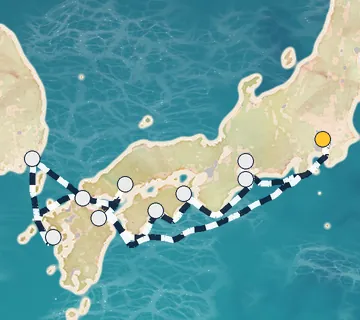

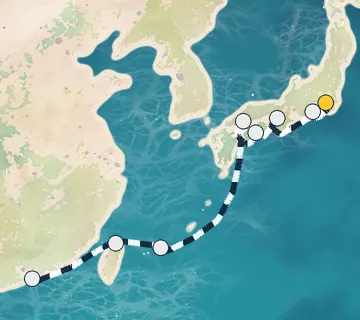

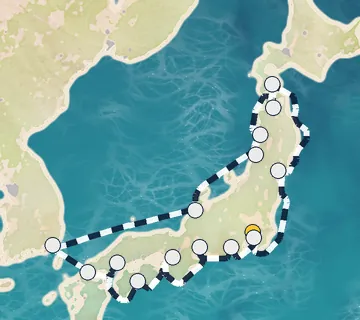
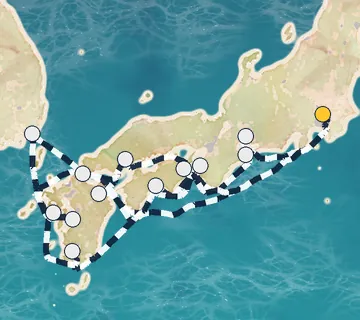
Upcoming Cruises to Hiroshima Cruise Deals


Ships in Port Schedule







Showing 6 ships in the area
No ships scheduled in port today.
Other Cruise Ports in Japan
Monthly Pricing - Cruises visiting Hiroshima
Overall Hiroshima is moderately expensive as a port of call. Sailings visiting Hiroshima during the peak seasons of spring and fall are significantly more expensive than the low months of winter and summer. Take a look at the illustration below for the average cost per day by month.

