
Sasebo, Japan Cruise Port Guide
Nestled along the picturesque coastline of Nagasaki Prefecture, Sasebo welcomes cruise travelers with its unique blend of Japanese culture and American naval heritage.
Major cruise operators like Princess Cruises and Holland America Line frequently dock at this scenic harbor town, offering passengers easy access to breathtaking natural landscapes and rich historical sites.
From the striking islands of the Ninety-Nine Islands region to vibrant local shopping arcades, Sasebo provides an unforgettable Japanese shore experience.
In This Guide
- Key Sasebo Port Information
- • Top Attractions & Excursions
- • Nearby Cities & Attractions
- • Port Location
- • Local Currency
- • Safety Considerations
- • Weather & Climate
- • Getting Around
- • Shopping
- Shore Excursions & Tours
- Visiting Sasebo Cruise Deals
- Upcoming Cruises to Sasebo Cruise Deals
- Ships in Port Schedule
- Other Cruise Ports in Japan
- Frequently Asked Questions
- Monthly Pricing
Key Sasebo Port Information
Top Attractions & Excursions
One of the top attractions is taking a scenic cruise through the Kujukushima Islands, a cluster of over 200 islands located just 25 minutes from the cruise terminal.
For sweeping panoramas of these islands, head to the Tenkaiho Observatory, which offers stunning views and seasonal flower fields about 30 minutes away by taxi or bus.
Culture enthusiasts can explore Sasebo Sea Side Park located within walking distance of the harbor, or visit the sprawling Dutch-themed resort town of Huis Ten Bosch, situated roughly 30 minutes away by train or shuttle.
Last updated on October 18, 2026
Nearby Cities & Attractions
Passengers often take day trips to the historic city of Nagasaki, located approximately 1.5 hours south of Sasebo by train or express bus, renowned for its Peace Park and rich international history.
Pottery lovers can venture to Arita, the birthplace of Japanese porcelain, which is just a 45-minute train ride away and offers world-class ceramics shopping and museum tours.
Another popular nearby stop is the hot spring town of Takeo Onsen, reachable in about 50 minutes, where visitors can enjoy relaxing thermal baths.
Last updated on October 18, 2026
Port Location
The main cruise berth at Miura Wharf is exceptionally convenient, located directly adjacent to Sasebo Station and just a 10-minute walk from downtown attractions.
Passengers docking here can easily walk to local shops, restaurants, and public transit links without needing dedicated shuttle buses.
The terminal area features tourist information desks, restrooms, and basic visitor facilities to assist arriving cruisers.
Last updated on October 18, 2026
Local Currency
The local currency in Sasebo is the Japanese Yen (JPY). US dollars and Euros are generally not accepted for everyday purchases in town.
While major credit cards are accepted in hotels, large department stores, and major tourist spots, cash remains essential for smaller shops, taxis, and local market stalls.
ATMs accepting international bank cards can be easily found at 7-Eleven convenience stores and post offices near the port area.
Last updated on October 18, 2026
Safety Considerations
Sasebo is an extremely safe city for cruise passengers to explore independently, with very low crime rates across all neighborhoods.
Standard travel precautions apply, such as keeping track of personal belongings in crowded market areas or onboard public transit.
Visitors can confidently stroll around downtown and utilize local transportation without safety concerns.
Last updated on October 18, 2026
Weather & Climate
Sasebo experiences a humid subtropical climate with mild winters and warm, humid summers.
Spring and autumn offer ideal cruising weather, with moderate temperatures ranging from 60°F to 75°F (15°C to 24°C) and pleasant breezes.
Summers can be hot and rainier, particularly during the June plum rain season and late-summer typhoon season, so packing an umbrella and light layers is recommended.
Last updated on October 18, 2026
Getting Around
Getting around Sasebo is easy thanks to the comprehensive network of local city buses and trains departing from Sasebo Station.
Taxis are readily available at the cruise pier and train station, offering a convenient way to reach sights like the Tenkaiho Observatory.
For sightseeing along the coast, visitors can book a Kujukushima Island Cruise boat tour directly from the Pearl Sea Resort harbor.
Last updated on October 18, 2026
Shopping
Shopping in Sasebo centers around the famous Sasebo Yoncho-me Arcade, one of the longest covered shopping arcades in Japan, offering a wide variety of shops and eateries.
Popular souvenirs include local Mikawachi porcelain, Japanese green tea, and traditional sweets like Castella cake.
Prices in stores are fixed and bargaining is not customary, but tax-free shopping is available at designated retailers upon showing your passport.
Last updated on October 18, 2026
Shore Excursions & Tours
Karatsu Pottery Making

Go beyond a standard pottery class with this immersive cultural experience in Karatsu, an area renowned for traditional "Karatsu-yaki" ceramics. Accompanied by an English-speaking guide, you will work side-by-side with a local artisan in an authentic kiln to learn the history and techniques of this craft. You will receive personal attention as you create your own unique piece of kitchenware, which will be professionally fired and shipped to your home.
Be a Sake brewer for a Day!Study Abroad Sake at Amabuki sake brewery in Saga

Join the "Real Sake Brewery Study Abroad" program for a short-term immersive experience where you enter restricted areas to brew sake like a professional. You will taste the freshest possible sake within the brewery and have the bottles you helped produce delivered directly to your home. A guide provides a tour of the facility and LSG will take photos of your experience, ensuring you leave with special memories of your time as a brewer.
Exclusive Studio Tour Experience Tableware for World Class Chefs

Experience the fusion of tradition and innovation at Riso Pottery, where fourth-generation artisan Shinji Terauchi creates vessels combining early Imari techniques with modern design. During this tour, you will visit historic Arita ware sites, including the Tengudani kiln, to observe the craftsmanship of artisans up close. This opportunity allows you to engage all five senses while exploring the new possibilities of Arita ware, which pursues both function and beauty.
Seasonal Chef’s Tasting Menu

Indulge in an extraordinary dining moment with the "Seasonal Chef's Tasting Menu," featuring dishes prepared with the best local ingredients that reflect the Japanese four seasons. Beautifully presented on traditional Arita and Karatsu porcelain, the course changes seasonally and concludes with a signature Sea Bream Chazuke. This 110-minute experience highlights exceptional flavors and the artistry of Japanese tableware in perfect harmony.
Saga Sea Bream Set“Yorokobi”

Create memories with the refined "Saga Tai-meshi Set – Yorokobi," a luxurious dining experience featuring premium ingredients, sashimi, and two chef’s special dishes. Guests can choose their preferred style of Sea Bream Rice for the second dish, though groups of ten or more will enjoy a shared large Donabe pot version. Every meal is artfully served on Arita and Karatsu porcelain or antique tableware, balancing local Saga flavors with an elegant atmosphere.
Kyushu: Yoshinogari Ruins Guided Tour - Feel Ancient Japan

Embark on a fascinating journey to the Yoshinogari Ruins, one of Japan's most important archaeological sites, to explore reconstructed buildings and sacred spaces. With the guidance of a local expert, you will uncover the mysteries of early Japanese civilizations and witness the profound cultural heritage that shaped the nation. This unique tour offers a chance to step back into history and connect with the mystique of Japan’s earliest societies.
Footsteps through Karatsu: From Samurai Castles to Ceramics

Enjoy a walking tour of the Karatsu Port area that includes a visit to a mansion with exquisite carvings and Karatsu Castle facing a beautiful pine grove. After exploring, you will stop by a sake bar featuring Karatsu ware, where you can purchase pottery or optionally create an original art frame using ceramic pieces. This day offers a chance to immerse yourself in Japanese charms such as castles, pottery, and sake.
Exclusive Workshop Tour and Ko-Imari Museum

The Genemon Kiln Special Experience offers a rare opportunity to visit a normally closed workshop and observe skilled craftsmen performing 150-year-old techniques. You will also enjoy a guided tour of the non-public Imari Pottery Museum to view historical works before relaxing with hospitality served in beautiful vessels. This exclusive visit allows you to engage all five senses while learning about the history and technology of Gen-emon Pottery.
Luxury Kaiseki Lunch With Arita Ware and Gen-emon Kiln Tour

Feast on an exquisite kaiseki lunch prepared with rich local ingredients and served on fine Arita ware in a restaurant owned by an antiques dealer. While dining in a private tea ceremony room, you will meet the owner to view his prized collection and learn about the specific porcelain pieces used during your meal. The experience concludes with a visit to Gen-emon Kiln to see where some of the tableware from your lunch is produced.
Saga Sea Bream Set "Kirameki"

Ideal for special occasions, the "Saga Sea Bream Set – Kirameki" offers a premium dining experience upgraded with Saga beef steak and grilled eel for a total of nine exquisite dishes. You will choose one of three types of Sea Bream Rice to enjoy, although groups of ten or more will be served a shared Donabe pot version. This 100 to 120-minute course showcases the finest ingredients and breathtaking presentation for a memorable culinary journey.
Exclusive Tour of Kakiemon Kiln and the Art of Nigoshide

This special tour of the Kakiemon kiln offers a rare opportunity to enter a workshop normally closed to the public and observe the 400-year-old tradition of "Akae" overglaze enameling. You will see skilled potters creating the distinctive milky white "Nigote" porcelain bodies, showcasing a perfect fusion of tradition and innovation. The General Manager will explain the history of the Kakiemon style, after which you will be treated to tea and sweets served in the kiln's own pottery.
Saga Sea Bream Set "Iwai"

Designed as a perfect "travel feast," the "Saga Sea Bream Set – Iwai" features seasonal ingredients and sea bream from the Genkai Sea for an authentic yet compact dining experience. Guests can select their preferred style of Sea Bream Rice, though groups of ten or more will receive a shared Donabe pot preparation. Beautifully presented on Arita and Karatsu ware, this 40 to 60-minute meal allows you to enjoy Japanese culture through food and hospitality.
Tosu: Izakaya and Bar Hopping Food Tour with Guide

Experience the true spirit of Tosu with an exciting 2-hour bar-hopping tour that takes you to two hand-picked local establishments. You will receive 1,000 yen per stop to sample food and drinks like grilled skewers, local sake, or ramen without extra cost. Accompanied by a friendly local guide, this tour offers a fun and tasty way to explore the city's vibrant nightlife and culinary culture.
Koransha Walking Private Tour Experience

Discover the tradition of Koransha, a famous Arita porcelain manufacturer founded in 1879, through a special visit to their insulator factory which is normally closed to the public. You will learn about the innovative technology behind Japan's first porcelain insulator and enjoy a tea ceremony in the exclusive VIP room. This experience offers a unique look at the fusion of traditional Arita-yaki beauty and the industrial technology that supports modern infrastructure.
Visiting Sasebo Cruise Deals


Upcoming Cruises to Sasebo Cruise Deals
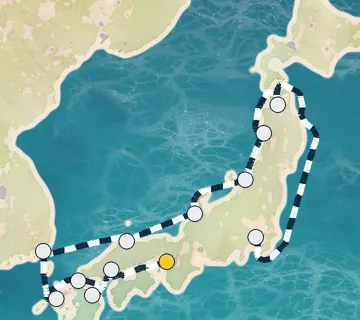

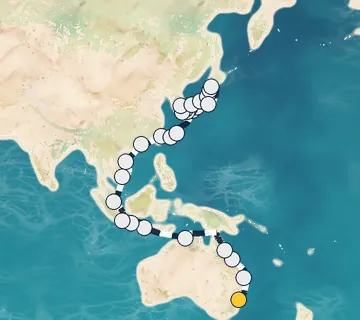
Ships in Port Schedule








Showing 7 ships in the area
No ships scheduled in port today.
Other Cruise Ports in Japan
Frequently Asked Questions about Sasebo
Last updated on June 13, 2025
❓ 1. What is the best way to get from the cruise terminal to the main attractions?
Many central attractions are within walking distance or a short taxi ride from the Sasebo cruise terminal. Local buses are also available for destinations like Kujukushima Pearl Sea Resort.
❓ 2. What are the must-see attractions and landmarks within walking distance or a short ride from the port?
Must-sees include the scenic Kujukushima Islands (viewable from Tenkaiho Observatory or via boat tours from Pearl Sea Resort) and the historic Miuramachi Catholic Church. The downtown shopping arcades are also easily accessible.
❓ 3. What local foods or restaurants should I try near the port?
Be sure to try a famous Sasebo Burger from a local shop, or sample Lemon Steak, another Sasebo specialty. Restaurants can be found in the Gintengai shopping arcade and near the port.
❓ What is the local currency and what is the exchange rate?
The local currency is Japanese Yen (1 USD = 143.51 JPY). ATMs accepting international cards are commonly found at 7-Eleven convenience stores and post offices. Currency exchange is available at some banks, though options might be limited directly at the port.
❓ 5. What is the typical weather when cruises visit, and what should I pack?
Cruises often visit in spring or fall when Sasebo has mild, pleasant weather (15-25°C). Pack layers, comfortable walking shoes, and a light jacket or umbrella for occasional rain.
❓ 6. Are there good beaches nearby, and how do I get to them?
Shirarahama Beach, located near Kujukushima Pearl Sea Resort, is a popular option. It can be reached by local bus or taxi from the city center.
❓ 7. What are the best shore excursion options - through the cruise line or independent?
Cruise lines offer convenient excursions to Huis Ten Bosch theme park or Kujukushima Islands. Independent travel via taxi or local transport can offer more flexibility, especially for exploring downtown Sasebo.
❓ 8. What shopping opportunities are available, and what are good local souvenirs?
Explore the Gintengai shopping arcade for a variety of goods. Good local souvenirs include Sasebo Koma (spinning tops), Mikawachi porcelain, and local food products.
❓ 9. What other interesting places or towns are within a reasonable distance to visit?
The Dutch-themed park Huis Ten Bosch is a major nearby attraction. The historic porcelain towns of Arita and Imari are also within an hour's journey for a cultural day trip.
❓ 10. What's a surprising or interesting fact about Sasebo, Japan?
Sasebo is famous for the "Sasebo Burger," a unique hamburger style that originated due to the influence of the American naval base established after WWII.
Monthly Pricing - Cruises visiting Sasebo
On average Sasebo is somewhat inexpensive as a port of call. Cruises visiting Sasebo during the the peak season of spring are much more expensive than the the low season of winter. The diagram below shows the monthly average cost per day for cruises visiting Sasebo.

